


How Long Will a Sponsored Article Stay Published?
“Published permanently” does not always mean the same thing. Learn what to ask, how to document the terms, and what to do if a publication changes or disappears.

“Permanent” can mean several things
In an editorial collaboration, “published permanently” sounds conclusive, but it can describe different commitments. It may mean there is no planned removal date; it may simply indicate that the article is not part of a specific short-term campaign. There may also be exceptions for editorial changes, legal issues, or site reorganizations. So before comparing proposals, replace the word “permanent” with specific, verifiable terms.
- Ask whether there is a minimum publication period and how it is calculated.
- Clarify whether the commitment applies to the full article, its URL, and the link it contains.
- Check which exceptions allow the content to be removed, edited, or relocated.
The page, content, and link are not the same thing
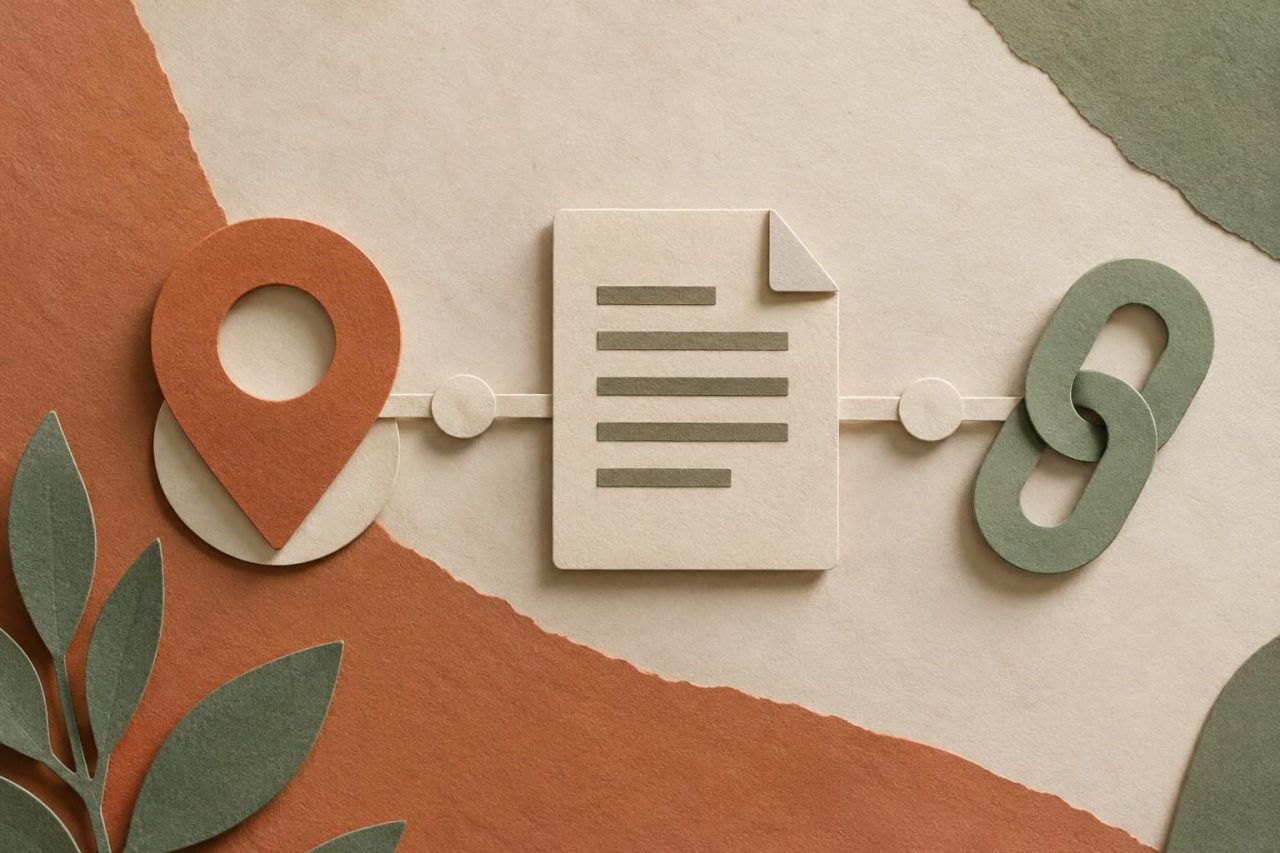
Permanence can refer to three different elements. The page is the URL where the article is located; the content is the text and its editorial elements; and the link is the reference included in that content. A page may continue to exist even if the article is edited, and the article may remain while the link is changed or removed. Its address may also change without the article disappearing. If the only agreement is that “the article will remain,” do not assume that all these elements are covered.
- Page: confirm whether the original URL will be kept or redirected if the site structure changes.
- Content: ask whether it may be updated, shortened, incorporated into another page, or removed.
- Link: confirm whether it must remain, where it will point, and under what conditions it may change.
What to confirm before approving the collaboration
Before giving the go-ahead, ask for an operational description of the commitment. There is no need to turn every collaboration into a complex contract, but you should avoid both parties interpreting phrases such as “indefinite duration” or “permanence” differently. Also ask who can propose changes and how they will be handled. The response should make clear what will happen under normal circumstances and which exceptions may apply.
- Expected duration: the minimum period, if any, and the date it starts from.
- Removal terms: reasons that may justify removal, who makes the decision, and whether advance notice will be given.
- Editorial changes: whether the text can be updated, the URL changed, the article moved to another section, or the link altered.
- Issue management: contact channel, a reasonable timeframe for reporting the problem, and planned resolution options.
Put the commitments in writing
Written confirmation makes it possible to review what was agreed without relying on memories or later interpretations. The terms can appear in the agreement, an accepted proposal, or an email exchange that clearly identifies the collaboration. Record the intended URL, the scope of permanence, and the conditions for removal or modification. If one person handles the purchase and another follows up, make clear who must report any changes and to whom.
- Keep the accepted proposal and the final version of the terms.
- Identify the article, URL, link destination, and publication date when available.
- Record each party’s operational contact and how issues should be reported.
- Avoid ambiguous wording: ask for clarification if “permanent” is not accompanied by a specific scope.
If the article is removed, updated, or moved
First, check what has happened without immediately assuming that the agreement has been breached. An update may be a normal editorial decision; a URL change may result from a reorganization; and a removed page may be due to a technical issue or a more permanent decision. Check the original URL and, if the content has moved, look for a possible new location or redirect. Then compare the change with the documented terms and contact the person responsible.
- Record the date you noticed the change and save evidence, such as screenshots and the affected URL.
- Ask whether it is a temporary change, an update, or a permanent removal.
- Depending on what was agreed, ask about a new URL, restoration of the content, or another planned solution.
- Keep the response and the outcome with the original documentation.
Document the issue and consider the next steps
A simple record helps distinguish an isolated change from a recurring problem and makes it easier to discuss the matter using facts. Note what was purchased, what you observed, when you observed it, whom you contacted, and what response you received. The solution will depend on what was agreed and the circumstances: it could be a clarification, a correction, or an alternative provided for by the parties. Do not assume there is an automatic right to compensation if the terms do not establish one.
- Keep a record for each collaboration, including dates, URLs, evidence, and communications.
- Check the status of the page and the link separately.
- Assess the practical and contractual impact of the change before deciding how to proceed.
- Update your criteria for evaluating future collaborations if the terms proved ambiguous.
Permanence and SEO results are separate matters
The fact that an article remains published does not guarantee that it will generate traffic, improve rankings, or produce a specific SEO outcome. Visibility depends on multiple factors and cannot be inferred solely from how long a page remains available or whether a link exists. Assess the collaboration based on its actual terms, its relevance to the context, and its objectives, without treating permanence as a performance promise. If you compare options, record this aspect alongside your other criteria, without treating any metric as absolute truth.
- Separate the editorial commitment from performance expectations.
- Do not interpret a long publication period as a guarantee of rankings or traffic.
- Compare the publication terms with other criteria relevant to your strategy.
Frequently asked questions
What does it mean for a sponsored article to be permanent?+
There is no single interpretation of the term. It may mean there is no planned removal date, but on its own it does not clarify how long the content, URL, or link will remain, or which exceptions apply. Ask for specific terms in writing.
Can an article remain published after its link is removed?+
Yes. The content and the link are separate elements and can change independently. Confirm explicitly whether the agreement covers keeping the link and in which cases it could be changed.
What should I do if the article’s URL disappears?+
Save the URL and evidence of the change, check whether there is a new location or redirect, and contact the person responsible. Then compare what happened with the agreed terms and request the planned clarification or solution.
Does an article’s permanence guarantee SEO results?+
No. A publication remaining available does not guarantee better rankings, traffic, or other outcomes. Duration is an editorial term that should be assessed separately from performance expectations.
How should links in a paid collaboration be handled?+
The collaboration should be transparent. In addition to visible disclosure to the audience where appropriate, check how the link is qualified: Google says paid links should be marked with rel="sponsored" or rel="nofollow"; sponsored is the preferred option for this type of link.
Sources and references
- Google Search Essentials — Google Search Central
- Spam policies for Google web search — Google Search Central
- Qualify outbound links — Google Search Central